- Oct 9 2026
Five fascinating native animals to discover around Hanmer Springs and Molesworth
When people think of Hanmer Springs it’s usually about hot pools, forest walks and mountain scenery, many might not realise the wider region is also home to some fascinating native wildlife. From sweet smelling beech forests surrounding the village to the rocky slopes of the basin and open river valleys of Molesworth, this landscape supports animals specially adapted to life in the South Island’s high country.
Exploring local walking tracks or heading further into the mountains? Keep an eye out for these five interesting native animals that help make the region special.
1. Scree skink: A master of the rocks
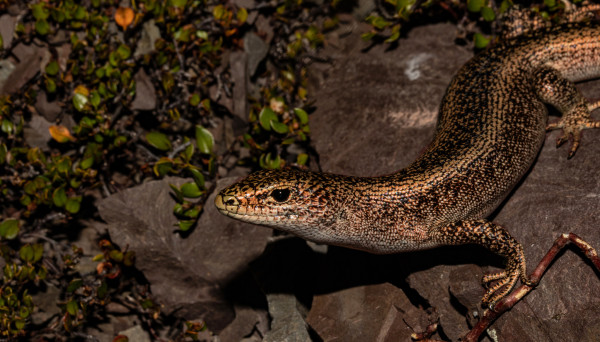
Molesworth’s steep, loose rock slopes might look harsh and inhospitable, not for this slippery critter, home to the scree skink - A nationally threatened native lizard. These reptiles are adapted to rocky scree environments, where their camouflage and ability to move between stones help them survive in a challenging landscape.
Scree skinks are not animals you should expect to see on every walk. They are specialised experts in their rocky environment and will vanish with the slightest disturbance, making an encounter a memorable experience. If you’re adventurous enough, explore rocky areas, look carefully, avoid disturbing stones and count yourself lucky if you encounter one!
2. Black-fronted tern: The braided-river specialist
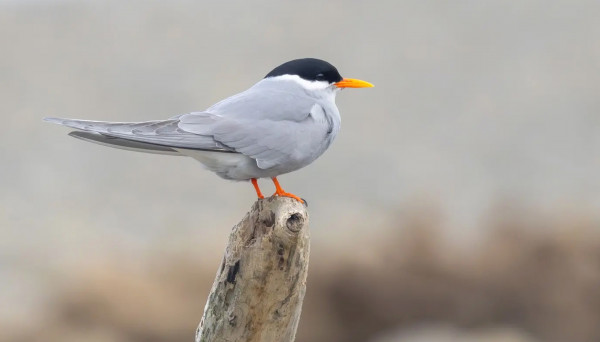
Tarapirohe in te reo, the black-fronted tern is one of New Zealand’s distinctive river birds. This nationally threatened species roams and breeds on braided riverbeds in the South Island, including river catchments feeding in and out of Molesworth.
From a distance, these wide, stony river beds can appear almost empty. In reality, they provide important nesting habitat for birds that depend on these open river systems. Visitors can help protect them by keeping to appropriate routes, giving nesting birds plenty of space and avoiding disturbance around riverbed colonies.
The next time you admire a high-country river, remember that its home to these threatened wee birds.
3. Miro-miro: The tiny South Island tomtit
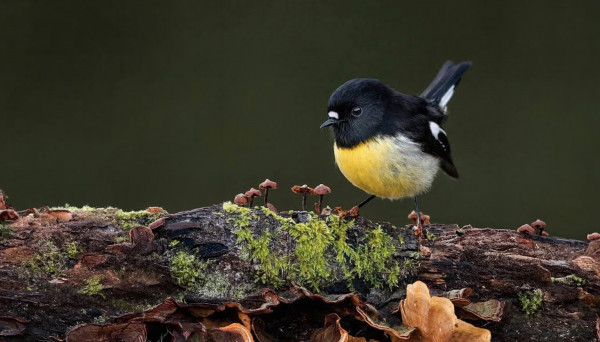
There’s more to Hanmer Forest Park than towering trees, gentle streams and shaded walking tracks. It also provides habitat for native forest birds, including the miro-miro, or South Island tomtit.
About 12cm in length and weighing a roughly 10g, the tomtit zips through the forest in search of insects and other tiny food sources. Its compact body and characteristic colouring make it an interesting bird to look for among the branches and undergrowth.
You will need to pay attention to spot one, as these birds can be easy to miss when you are concentrating on the track ahead. Slow down, listen for bird calls and watch the vegetation around you. Sometimes the most rewarding wildlife encounters happen when you slow down and listen to the hum of the forest.
4. Giant wētā: Big in size, big in intrigue
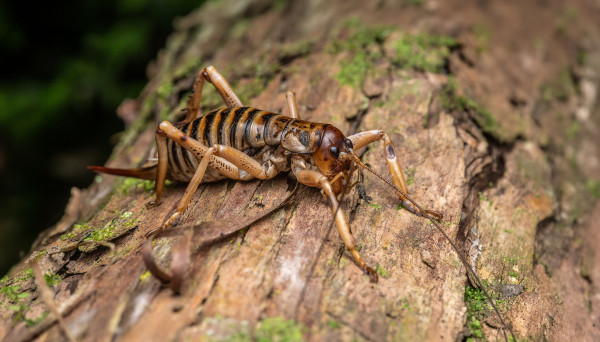
Here in Aotearoa, New Zealand we’re famous for more than our native birds, take the giant wētā for example. These large native insects have a prehistoric appearance, with robust bodies and powerful legs that make them look rather intimidating up close.
Several giant wētā species occur in the wider Molesworth area, adding another layer to the region’s remarkable biodiversity. Like many native invertebrates, they are easy to overlook unless you know where to look.
Wētā are an important part of New Zealand’s natural heritage - If you encounter one, observe it without handling or disturbing it. Their unusual appearance is a good reminder that native wildlife comes in all shapes and sizes, some think wētā are intimidating, but they are just big softies.
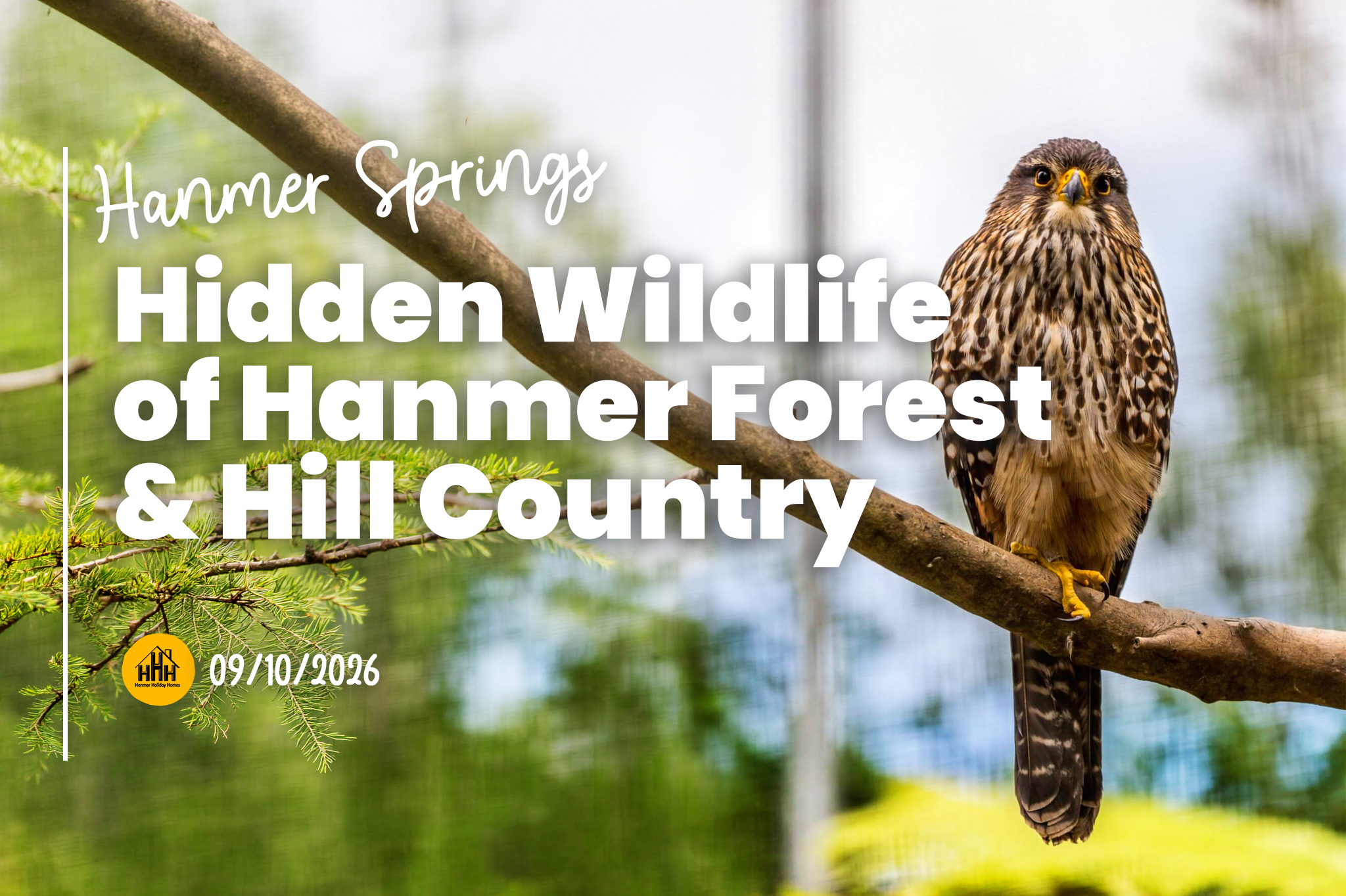
5. Kārearea: New Zealand’s fast flying falcon
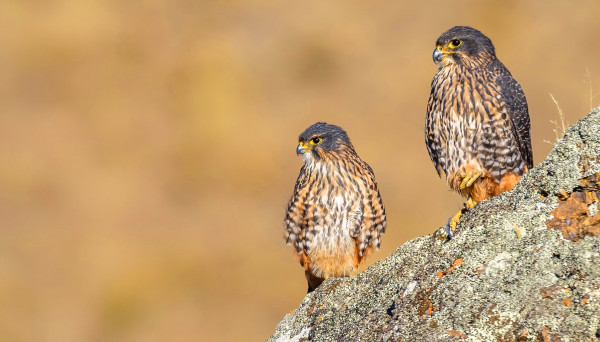
The kārearea, or New Zealand falcon, is a striking bird of prey associated with the wider Hanmer Springs landscape. Fast, agile and well adapted to hunting, it can be seen moving across open country and forest edges in search of prey. Clocking up speeds of 200 km, during a high-speed hunting dive, known as a stoop, they regularly fly at speeds exceeding 100 km.
Unlike the larger birds of prey found in some other parts of the world, the kārearea relies on speed and manoeuvrability. Watching one in flight can be an awesome experience, particularly against a backdrop of mountains and open high-country scenery.
Although the species dwells across several regions of New Zealand, it remains a special part of the local environment. If you spot a falcon, give it space and avoid approaching potential nesting sites.
A landscape worth protecting
Conservation efforts across Hanmer Springs and Molesworth help protect the region’s unique wildlife and high-country landscapes. In Hanmer, the local Conservation Trust’s trapping programme targets introduced predators, with volunteers catching more than 1,700 pests since the group began in 2020. Around Molesworth, DOC supports threatened-species protection, habitat monitoring, pest and weed control, and the protection of wetlands and native vegetation.
When exploring, stick to formed tracks and roads, keep wildlife at a respectful distance, leave rocks and plants undisturbed, and take your rubbish away with you.
You might not spot all five animals during your stay, but knowing they are part of the surrounding landscape adds another dimension to the experience. Beyond the hot pools and mountain views, Hanmer Springs offers a window into the distinctive wildlife of New Zealand’s high country — And a reminder of why these special places deserve to be protected.

Please, wait.
Your request is being processed...